
A weak shower stream that can’t rinse out shampoo. A kitchen faucet that takes forever to fill a pot. Low water pressure is more than an annoyance—it’s a sign. Something in your plumbing system is restricting the flow. The good news? It’s often a simple fix if you know where to look. Let’s play pressure detective, starting with the easiest solutions.
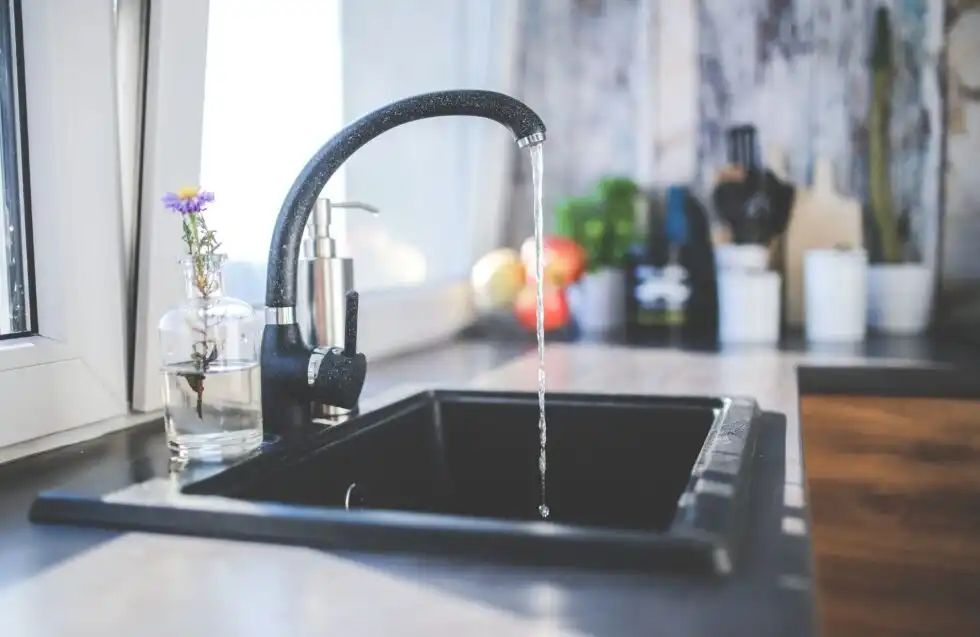
First, Isolate the Problem: One Faucet or the Whole House?
This is your first clue. Turn on a few faucets (hot and cold) on different floors.
- Only One Faucet? The problem is localized. Head to step 2.
- The Whole House? The problem is with your main supply. Skip to step 3.
Step 2: The Single-Faucet Fix (Usually the Aerator)
The little screen on the end of your faucet (the aerator) catches sediment and mineral bits to save water and prevent splashing. Over time, it gets clogged. The Fix: Unscrew it (might need pliers with a cloth to protect the finish), take it apart, rinse out all the gunk, and reinstall. 90% of the time, this restores perfect pressure to that faucet. For showerheads, soak them in a bag of vinegar to dissolve scale.
Step 3: The Whole-House Investigation
If all your fixtures are whimpering, check these three main culprits:
- The Main Shut-Off Valve: Find where the city water enters your house (often in the garage or a front flowerbed). Is the main valve (a gate valve or ball valve) fully open? Sometimes they get partially closed during work and are never reopened.
- The Pressure Regulator (PRV): That bell-shaped device on your main line regulates city pressure (which can be very high) to a safe level for your home (typically 50-70 PSI). If it fails, pressure can drop. Testing this often requires a pressure gauge and is a job for a pro.
- The Hidden Nemesis: A Pipe Problem. In older Texas homes with galvanized steel pipes, the interior can corrode shut over decades, drastically reducing flow. A leak in your main line underground can also kill your pressure. Diagnosing this requires a professional leak detection or camera inspection.
Don’t Suffer in a Trickle: Start with the aerator clean-out. If that doesn’t solve it, especially for a whole-house issue, call a licensed plumber. We have the tools to diagnose it quickly—whether it’s a simple valve, a failing PRV, or a major pipe issue—and get your pressure back to a satisfying, powerful flow.