
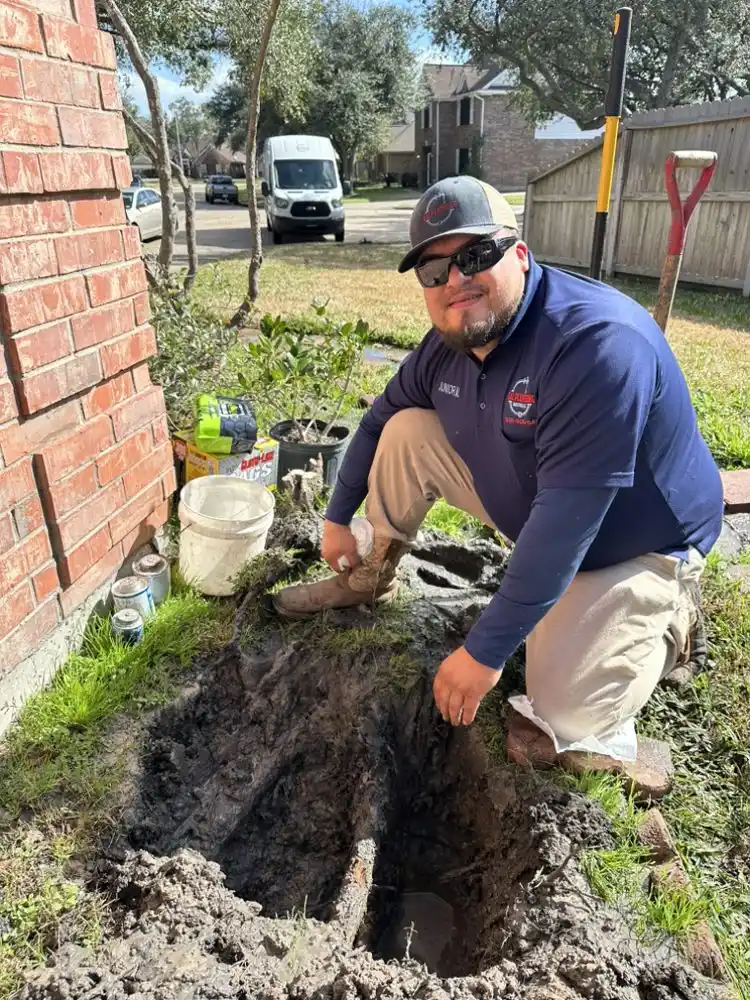
Let’s talk about your water. You probably don’t think about it much—you turn the tap, and out it comes. But the water in your glass has been on a journey. It’s traveled from the city main or your well, through pipes under your yard and inside your walls, past meters and valves, and finally out of your faucet. And along that journey, its quality can change. Your plumbing isn’t just a delivery system; it’s a living part of your home’s health, and sometimes, it sends signals.
As your local plumbing team at Gal Plumbing, we see it every day: water quality isn’t just about what’s at the treatment plant. It’s about what happens in the last mile—the pipes in your home. Ignoring the signs can lead to bigger problems, from spotty dishes to costly repairs. So, let’s decode the messages your water might be sending.
The Five Common “Water Quality” Clues (And What They Mean)
1. The Discolored Water: Browns, Yellows, or Reds.
- What you see: Rusty, yellowish, or brownish water, especially first thing in the morning or after you return from a trip.
- The Likely Culprit: This is often a sign of corrosion inside your pipes. If it’s only at the hot tap, your water heater tank might be rusting from the inside. If it’s at all taps, the issue could be with your home’s galvanized steel pipes or even the city’s main lines (a quick call to a neighbor can confirm).
- When to DIY: Flush your system by running the cold water for 5-10 minutes. If it clears, it was likely a temporary disturbance in the main line.
- When to Call Gal Plumbing: If the problem persists, happens frequently, or is specifically from your hot water taps, it’s time. We can diagnose if the corrosion is in your water heater or your home’s piping. A quick inspection from our team can tell you if you’re looking at a simple fix or a sign of pipes nearing the end of their life.
2. The “Funky” Smells: Rotten Eggs, Chlorine, or Must.
- What you experience: A sulfur (rotten egg) smell is the most common complaint. A strong chlorine smell or a damp, earthy odor are also red flags.
- The Likely Culprit: A sulfur smell usually points to bacteria in your water heater or, less commonly, in your well system. A chlorine smell might mean an unusually high municipal treatment level (often after heavy rains). A musty smell can indicate decaying organic matter in your pipes or a problem with the water source itself.
- When to DIY: For a water heater smell, try raising the tank temperature to 140°F for a few hours to kill bacteria (then lower it back to 120°F for safety). Flush the tank afterwards.
- When to Call Gal Plumbing: If the smell remains, don’t ignore it. Sulfur bacteria can corrode your water heater. Musty smells might mean something is growing where it shouldn’t. We can test your water, service your water heater, or use a camera to inspect your lines and find the source of the stink for good.
3. The Scale & Scum: White Crust or Soap that Won’t Lather.
- What you see: A hard, white, crusty buildup on faucets and showerheads. Your soap doesn’t sud easily, and you feel a film on your skin after showering.
- The Likely Culprit: Hello, hard water! This is extremely common. It means your water has high levels of dissolved minerals like calcium and magnesium. While generally safe to drink, it’s brutal on appliances, reduces soap efficiency, and clogs pipes over time.
- When to DIY: You can clean fixtures with vinegar to remove existing scale. For minor issues, this is a fine maintenance habit.
- When to Call Gal Plumbing: Hard water is a systemic issue. Cleaning fixtures is like mopping the floor while the sink is still overflowing. If you’re tired of replacing appliances early or battling endless scale, let’s talk about a whole-house water softener. We can test your water’s hardness and walk you through the options that would best protect your home—and your skin.
4. The Metallic or Odd Taste.
- What you experience: Water that tastes like pennies, metal, or just “off.”
- The Likely Culprit: Metallic taste often comes from, you guessed it, metal pipes (copper, iron, galvanized steel) leaching into your water, especially if the water is slightly acidic. An odd chemical or plastic taste could point to issues with a specific appliance hose or even your water source.
- When to DIY: Try running the water for a minute before drinking to flush the standing water from your pipes. Use a filtered pitcher for drinking water as a temporary measure.
- When to Call Gal Plumbing: A persistent metallic taste is a direct sign of pipe corrosion. It’s more than a taste nuisance—it’s evidence your pipes are degrading. We can perform a water test and a plumbing inspection to see if you need pipe lining, a section repair, or a whole-home filtration system to make your water not just safe, but delicious.
5. The Low Pressure Mystery.
- What you experience: A shower that’s gone from a strong spray to a sad trickle, or a faucet that takes forever to fill a pot.
- The Likely Culprit: While often a mechanical issue (a clogged aerator or faulty pressure regulator), it can also be a water quality problem. Scale from hard water can build up inside your pipes, literally narrowing the path water can flow through, like clogged arteries.
- When to DIY: Always check and clean the aerator on your faucet first. This fixes the issue 90% of the time for a single fixture.
- When to Call Gal Plumbing: If cleaning aerators doesn’t help and the low pressure is throughout your house, the cause could be deep. We can check your home’s main pressure, inspect for scale buildup, and even use a camera to see if your pipes are shrinking from the inside out. Restoring your water pressure often restores your sanity, too.
Your Home’s Water Quality is a Partnership
Think of your plumbing as the circulatory system of your home. You maintain the parts you see—cleaning faucets, using drain screens. Our job at Gal Plumbing is to help you maintain the parts you don’t see: the miles of pipe, the water heater tank, the hidden valves.
You don’t need to be an expert. You just need to be an observer. Notice the changes. Listen to what your water is telling you. And when a DIY fix isn’t cutting it, or the problem feels bigger than a YouTube tutorial, that’s your cue.
When in doubt, getting a professional opinion is the smartest move. It can save you money by catching small issues before they become floods, and it ensures the water in your glass is as clean and safe as it can be. If any of these signs feel familiar, give us a shout at Gal Plumbing. We’re here to test, diagnose, and provide honest solutions—because great water quality is the foundation of a comfortable, healthy home.